
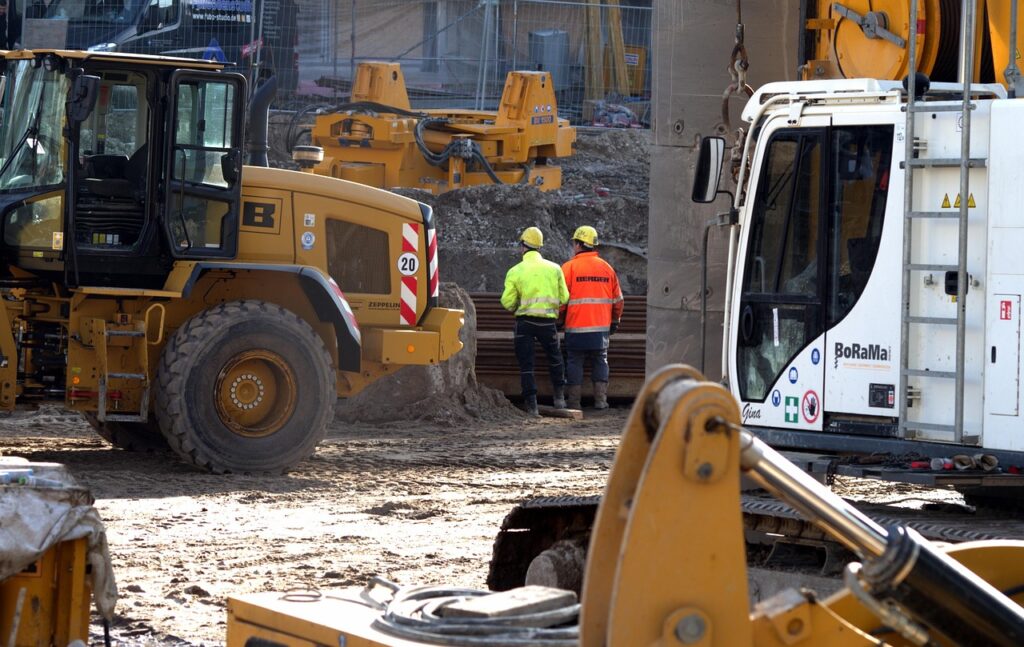
What are Safety Training Programs?
Safety Training Programs are structured educational initiatives designed to empower employees to recognize, evaluate, and control workplace hazards. Effective training is the cornerstone of an Injury and Illness Prevention Program (IIPP). It ensures that every team member—from field technicians to executive leadership—understands their role in maintaining a secure environment and adhering to Cal/OSHA and Federal OSHA mandates.
Our 2026 Safety Training Suite
Essel Environmental offers a diverse range of certified training modules tailored to the specific needs of the construction, manufacturing, and environmental sectors.
1. Regulatory Compliance Training
- OSHA 10 & 30-Hour: Comprehensive outreach training for construction and general industry.
- HAZWOPER (24 & 40-Hour): Specialized training for workers at hazardous waste sites and emergency responders.
- Hazard Communication (GHS): Updated for 2026 GHS Revision 7 alignment to ensure proper chemical labeling and SDS management.
2. High-Hazard Specialty Programs
- Fall Protection: Essential for California construction, covering guardrails, safety nets, and personal fall arrest systems.
- Respiratory Protection: Including medical evaluations and quantitative fit testing for lead, asbestos, and silica exposure.
- Heat Illness Prevention: Fully updated for the OSHA 2026 Federal Heat Rule, covering acclimatization, hydration, and “high-heat” rest protocols.
3. Site-Specific Safety Orientations
We develop custom orientations that address the unique “Recognized Environmental Conditions” (RECs) of your specific project, ensuring subcontractors and new hires are productive and safe from day one.
Why Choose Esseltek for Your Safety Training?
In an era of automated learning, Esseltek stands out by providing “Expert-Led” education.
- Certified Professionals: Our trainers are Certified Industrial Hygienists (CIH) with decades of field experience. We don’t just read slides; we share real-world case studies.
- 2026 Compliance Readiness: We proactively integrate upcoming regulatory changes—such as the 2026 Infectious Disease Preparedness and Lone Worker monitoring rules—into our curricula.
- No Outsourcing: While others hire the lowest-bidder contractors, Esseltek utilizes our “E-Team” of in-house professionals to ensure consistent, high-quality instruction.
Frequently Asked Questions (FAQ)
Yes. Under the OSHA General Duty Clause and specific state standards (like California’s IIPP), employers are legally required to provide a workplace free from recognized hazards, which includes training employees on those hazards.
As of 2026, federal OSHA has implemented a specific standard requiring employers to provide water, rest, and shade when temperatures hit certain thresholds. It also mandates a formal Acclimatization Plan for new or returning workers to prevent heat-related fatalities.
This varies by standard. For example, HAZWOPER requires an annual 8-hour refresher, while Lead and Asbestos training typically requires annual updates. Esseltek provides automated tracking to ensure your team never falls out of compliance.
Absolutely. We specialize in field-based training, delivering 15–30 minute high-impact “Tailgate” or “Toolbox” talks directly at your job site to address immediate hazards.
OSHA 10 is designed for entry-level workers, focusing on general hazard recognition. OSHA 30 is a deeper dive intended for supervisors, foremen, and safety directors with greater responsibility for site safety.
Yes. We provide both qualitative and quantitative fit testing as part of our Respiratory Protection Program, ensuring that your equipment meets Cal/OSHA requirements for a “Tight-Fitting” seal.
OSHA has aligned the HazCom standard with GHS Revision 7. This includes updated criteria for classifying certain chemicals and new requirements for Safety Data Sheets (SDS). Esseltek’s training ensures your staff understands these new labels.
A JHA is a process of breaking down a task into steps to identify hazards before they happen. We train your supervisors on how to write and implement effective JHAs for every high-risk task.
Yes. With the 2026 emphasis on Lone Worker safety, we provide training and protocols for employees working in isolation, including the use of wearable monitoring technology and scheduled check-in procedures.